

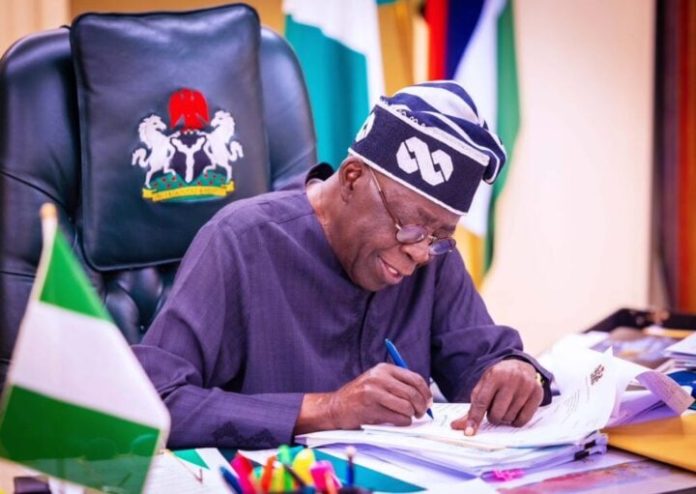
In a historic gesture aimed at fostering national reconciliation and reforming the justice system, President Bola Ahmed Tinubu has approved presidential clemency for 175 individuals, including notable figures such as the late environmental activist Ken Saro-Wiwa, former lawmaker Farouk Lawan, and ex-Major General Mamman Jiya Vatsa.
The sweeping pardons, ratified by the National Council of State, mark one of the broadest exercises of presidential mercy in Nigeria’s recent history.
The presidential decision, announced by Special Adviser on Information and Strategy, Bayo Onanuga, underscored Tinubu’s commitment to justice reform and national healing.
Among the beneficiaries were 82 inmates released outright, 65 others who had their sentences reduced, and seven death sentences commuted to life imprisonment.
The clemency list also included posthumous pardons for early nationalist Herbert Macaulay and members of the famed “Ogoni Nine,” executed under the military regime of Sani Abacha in 1995.
In what many observers describe as a symbolic closure to decades of injustice, President Tinubu posthumously pardoned Ken Saro-Wiwa and his eight colleagues, whose execution sparked global outrage and remains one of Nigeria’s darkest human rights episodes.
The President also approved national honours for four Ogoni leaders — Albert Badey, Edward Kobani, Samuel Orage, and Theophilus Orage — who were killed in related circumstances nearly 30 years ago.
Other notable beneficiaries include Nweke Francis Chibueze, who was serving a life term for drug trafficking; Nwogu Peters, who had completed 12 of his 17-year fraud sentence; and Farouk Lawan, convicted in connection with the 2012 fuel subsidy bribery scandal.
The Presidency noted that their pardons were based on evidence of rehabilitation, remorse, and recommendations by the Presidential Advisory Committee on the Prerogative of Mercy (PACPM).
The PACPM, inaugurated in January 2025 by the Secretary to the Government of the Federation, George Akume, reviewed 294 applications and conducted extensive interviews with inmates across Nigeria’s correctional facilities.
According to the committee, considerations included age, terminal illness, conduct, and evidence of vocational skill acquisition during incarceration.
Onanuga explained that the exercise was part of President Tinubu’s broader justice and human rights reform agenda, which prioritizes rehabilitation over retribution.
“This act of mercy reflects the administration’s vision for a more humane justice system and the reintegration of reformed citizens into society,” he said. The 2025 presidential clemency thus stands as a milestone in the nation’s journey toward forgiveness, justice reform, and unity.