

Plateau State has confirmed 11 cases of cholera and recorded five deaths as health authorities intensify efforts to curb the outbreak and prevent further transmission.
The State Commissioner for Health, Dr. Nicholas Baamlong, disclosed this during a media briefing in Jos on Sunday.
According to him, the outbreak has also resulted in 53 suspected cases across Pushit, Mangu 1, and Mangu 2 communities in Mangu Local Government Area.
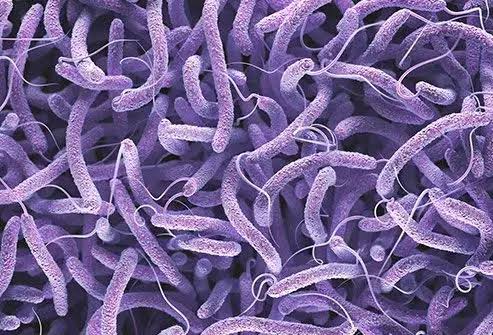
Cholera is a highly infectious diarrhoeal disease caused by consuming food or water contaminated with the bacterium Vibrio cholerae. The disease is commonly associated with poor sanitation and inadequate access to clean drinking water.
Baamlong stated that the Ministry of Health has strengthened response measures in affected communities to contain the outbreak and limit its impact.
He said additional Rapid Response Teams (RRTs) have been deployed to affected areas, while treatment centres and isolation facilities have been expanded. The government has also commenced the emergency procurement of Rapid Diagnostic Test kits, intravenous fluids, and other essential medical supplies.
The commissioner further revealed that an Incident Management System (IMS) has been activated to coordinate a comprehensive, multi-sectoral response.
“We have scaled up public health interventions to contain the outbreak, prevent further transmission, and minimise its impact on affected communities,” he said.
He urged residents in affected and neighbouring communities to take preventive measures seriously by drinking safe water, maintaining proper hygiene, avoiding open defecation, and disposing of waste appropriately.
Baamlong also encouraged residents to report any suspected cholera symptoms to the nearest healthcare facility for prompt treatment.
Reaffirming the government’s commitment to protecting public health, he called on development partners and stakeholders to support ongoing response efforts.
Nigeria continues to experience recurring cholera outbreaks, particularly during the rainy season when flooding, poor sanitation, and limited access to clean water heighten the risk of infection.
The disease often affects vulnerable populations lacking adequate Water, Sanitation and Hygiene (WASH) infrastructure, while rural communities and internally displaced persons face additional barriers to healthcare access.
In June 2026, Borno State recorded a major cholera outbreak that claimed at least 74 lives and infected more than 7,800 people across 14 local government areas.
The outbreak placed considerable strain on healthcare facilities, prompting emergency interventions by government agencies and humanitarian organisations. Médecins Sans Frontières (MSF), in collaboration with health authorities, expanded treatment capacity and intensified surveillance, hygiene awareness campaigns, and vaccination planning.
Meanwhile, health officials remain vigilant against other infectious diseases. The Nigeria Centre for Disease Control and Prevention (NCDC) has confirmed that no cases of Ebola have been reported in Nigeria despite recent outbreaks in some African countries.
As part of precautionary measures, the Federal Airports Authority of Nigeria (FAAN) has strengthened screening procedures at international entry points in line with preparedness efforts coordinated by the World Health Organization (WHO).