

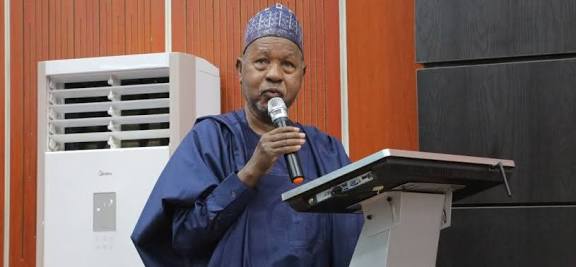
The Tertiary Education Trust Fund (TETFund) is developing a comprehensive security master plan aimed at strengthening safety and tightening security across tertiary institutions nationwide.
TETFund’s Chairman, Board of Trustees, Aminu Masari, disclosed this on Tuesday at the opening of a two-day workshop on the proposed security framework in Abuja.
The session brought together chief executives, deans, security officers, and law enforcement representatives, who were urged to share experiences and practical strategies to build a more resilient and future-ready security structure for universities and colleges.
Masari said the master plan would enhance prevention, detection, and response systems in institutions, noting that campuses faced growing threats ranging from banditry and kidnapping to cyber-attacks.
He described the workshop as a critical step toward shaping national campus security policies and operations.
“What we begin here today is not merely another conference. It is a foundational step in developing a comprehensive, forward-looking security master plan for tertiary institutions in Nigeria,” he said.
He explained that the plan would promote intelligence-led security operations, proactive risk management, and better protection for students, staff, infrastructure, and intellectual assets.
“It would strengthen collaboration between institutions, security agencies, and host communities, establish emergency preparedness protocols, and integrate modern physical and digital security technologies into campus operations,” he added
Earlier, TETFund Executive Secretary, Sonny Echono, noted that many campuses remained porous and vulnerable to criminal activities. He referenced an earlier mapping exercise that identified high-risk areas and created preliminary response mechanisms but stressed the need for stronger coordination among security agencies.
Echono emphasized the importance of clear communication channels for timely alerts and responses to security incidents, involving agencies such as the military, police, and the Nigeria Security and Civil Defence Corps.
“Those high-risk areas we identified must be addressed, and institutions must have emergency response mechanisms in place. This is only the first layer. Naturally, you have to interface with many other agencies in the event of such occurrences,” he said.