

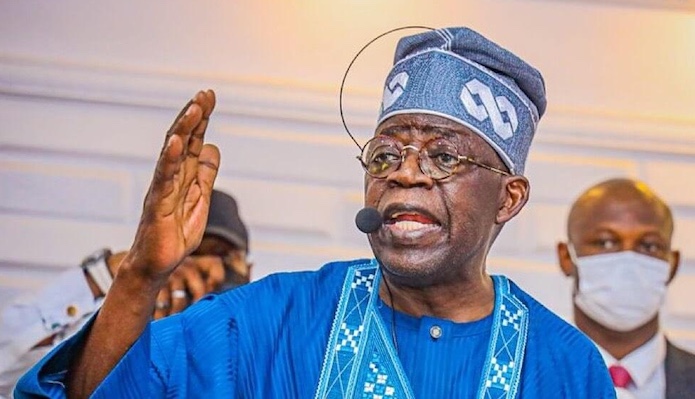
President Bola Tinubu has reiterated that the recently signed tax laws will take effect on January 1 as scheduled, dismissing appeal from opposition leaders and advocacy groups seeking postponement.
In a statement, the President emphasised that the reforms are not designed to place extra financial pressure on Nigerians.
He explained that the law is meant to restructure the nation’s tax system, enhance coordination, protect citizens’ dignity and strengthen the social contract between the government and the people.
According to him the The new tax laws, including those that took effect on June 26, 2025, and the remaining acts scheduled to commence on January 1, 2026, will continue as planned.
“These reforms are a once-in-a-generation opportunity to build a fair, competitive, and robust fiscal foundation for our country.”
“Our administration is aware of the public discourse surrounding alleged changes to some provisions of the recently enacted tax laws.
“No substantial issue has been established that warrants a disruption of the reform process. Absolute trust is built over time through making the right decisions, not through premature, reactive measures.” the president said.
Meanwhile, controversy has continues to trail the tax laws following claims by House of Representatives Member, Abdussamad Dasuki, that there are inconsistencies between the bills passed by the National Assembly and the versions later gazetted and released to the public.
Dasuki argued that his legislative rights were violated, insisting that the contents of the gazetted tax laws differ from what lawmakers debated and approved during plenary sessions in the House.
“Before you can say there is a difference between what was gazetted and what was passed, we have what has not been gazetted. We don’t have what was passed,” he said.
“The official harmonised bills certified by the clerk, which the National Assembly sent to the President, we don’t have a copy to compare. Only the lawmakers can say authoritatively what we sent.
“It should be the House of Representatives or Senate version. It should be the harmonised version certified by the clerk. Even me, I cannot say that I have it. I only have what was presented to Mr President to sign.”
His remarks reignited calls for the suspension of the tax laws. Opposition figures, including Peter Obi and Atiku Abubakar, as well as pressure groups such as the Nigerian Bar Association (NBA), have condemned the alleged alterations and urged the Federal Government to pause the implementation of the legislation.
President Tinubu signed the four tax reform bills into law in June, describing them as the most comprehensive overhaul of Nigeria’s tax system in decades.
The new laws comprise the Nigeria Tax Act, the Nigeria Tax Administration Act, the Nigeria Revenue Service (Establishment) Act, and the Joint Revenue Board (Establishment) Act. Collectively, they create a unified tax framework under a single authority, the Nigeria Revenue Service.
Despite resistance from some lawmakers and key stakeholders during the legislative process, the tax reform bills were eventually passed and are set to take effect on January 1, 2026.