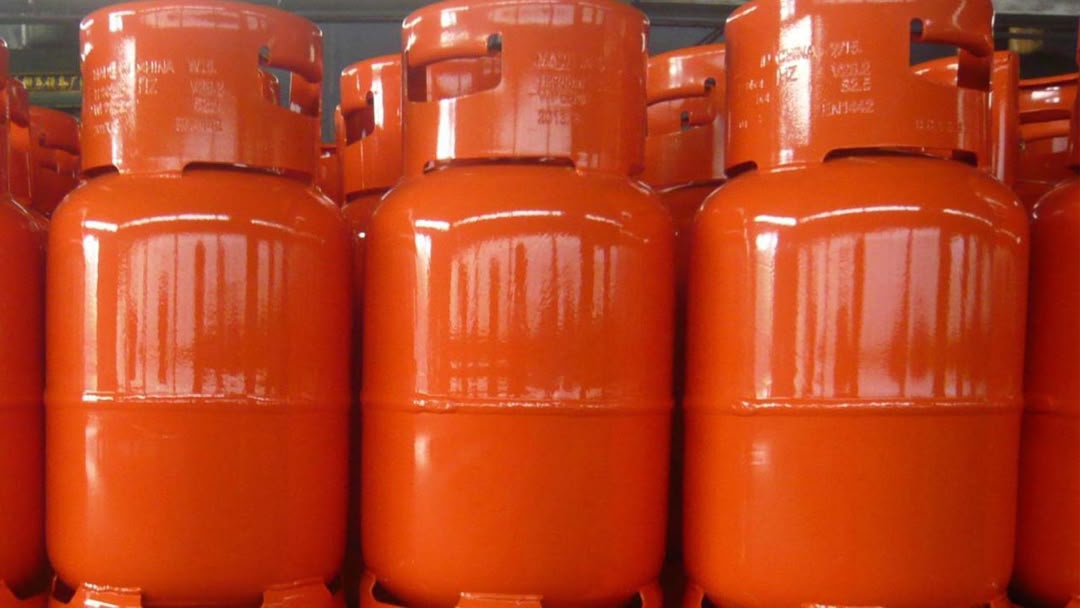
Nigeria’s imports of Liquefied Petroleum Gas (LPG), commonly known as cooking gas, surged by 1,400 per cent in June 2026, while domestic petrol supply declined by 22 per cent, according to the latest data released by the Nigerian Midstream and Downstream Petroleum Regulatory Authority (NMDPRA).
The NMDPRA’s June 2026 fact sheet showed that LPG imports rose sharply from 0.1 kilotonnes per day (KT/D) in May to 1.5 KT/D in June. The increase came despite Nigeria’s vast natural gas reserves and ongoing government efforts to boost domestic gas utilisation under the Decade of Gas initiative.
The report also indicated that domestic LPG supply dropped by 10 per cent, falling from 4.0 KT/D in May to 3.6 KT/D in June. However, total cooking gas availability increased by 24 per cent to 5.1 KT/D, largely due to the significant rise in imports, which accounted for nearly 30 per cent of the country’s total daily LPG supply.
Meanwhile, the report revealed that domestic Premium Motor Spirit (PMS), also known as petrol, supply fell by about 22 per cent, declining from 41.5 million litres per day in May to 32.5 million litres per day in June. At the same time, petrol imports rose by 207 per cent, increasing from 5.9 million litres per day to 18.1 million litres per day during the same period.
Industry analysts said the figures highlight Nigeria’s continued reliance on imported petroleum products despite increased local refining activities and government reforms aimed at achieving energy security. They noted that while higher LPG imports helped stabilise cooking gas supply and prices, the growing dependence on imports underscores persistent gaps in domestic production.
The NMDPRA data further showed that supplies from the Nigeria LNG (NLNG) and other domestic gas processing facilities remained the major sources of locally produced cooking gas, although they were insufficient to meet rising demand.
The latest figures come amid renewed calls for increased investment in domestic refining and gas processing infrastructure to reduce Nigeria’s dependence on imported fuel products and strengthen long-term energy security.