

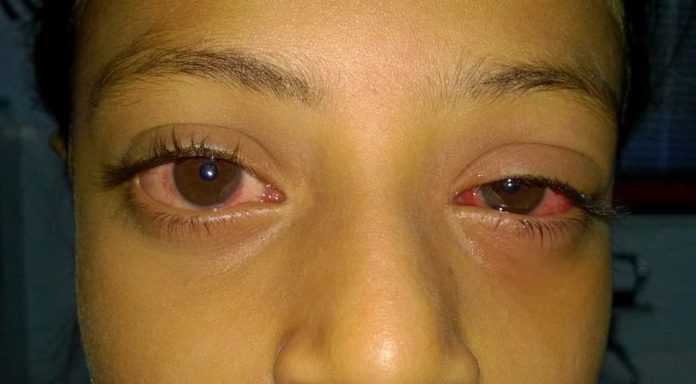
Residents of Potiskum in Yobe State have expressed growing concern over the increasing cases of acute haemorrhagic conjunctivitis, popularly known as Apollo, as health authorities intensify efforts to contain its spread.
The Yobe State Specialist Hospital, Potiskum, confirmed that it had recorded several cases of the highly contagious eye infection, prompting health officials to urge residents and commuters to take necessary precautions.
The Chairman of the hospital’s Medical Advisory Committee, Dr Abubakar Zakari, who represented the Medical Director, noted that the number of reported cases might not reflect the actual situation, as some infected persons could be treating themselves at home without seeking medical attention.
Zakari advised residents to wash their hands regularly, avoid touching their eyes and refrain from sharing personal items such as towels, clothes, bedding, utensils and other belongings.
He also urged infected persons to limit close contact with others and seek medical attention immediately after noticing symptoms of the infection.
The development has heightened anxiety among residents, with reports of people experiencing symptoms including red or swollen eyes, itching, pain and excessive watery discharge across different parts of Potiskum.
Some residents said several members of the same families had contracted the infection, raising fears that the disease was spreading rapidly through close contact.
One resident, Goni Alkali, described the situation as alarming, saying the infection appeared to be spreading rapidly across the town.
Another resident, Idris Bello Danchuawa, expressed concern over the situation, saying, “Subhanallahi! Apollo Disease (Ciwon Ido) is still spreading in Potiskum.”
A patient, Musa Abdu, also described the outbreak as a serious concern, saying the infection had become widespread in the community.
He said the disease caused severe redness and pain in the eyes, adding that some patients had recovered after using eye drops and oral medication.
Meanwhile, the State Commissioner for Health and Human Services, Dr Muhammad Gana, said the ministry had activated measures to curb the spread of the infection.
Gana explained that key health messages had been developed and distributed to relevant stakeholders and through social media platforms, while Health Promotion Officers had been deployed to sensitise communities through village community mobilisers.
The Yobe State Primary Health Care Board also advised residents to wash their hands frequently with soap and clean water and avoid touching their eyes or sharing items such as towels, handkerchiefs, eye drops and eyeglasses.
The board further warned against putting substances such as urine, breast milk, sugar solution, cow dung or battery liquid into the eyes, stressing that such practices could result in permanent eye damage or blindness.
Dr Maryam Mustapha explained that Apollo was highly contagious and could spread through close contact with infected persons or contaminated surfaces.
She also dispelled the misconception that looking into the eyes of an infected person could transmit the disease, urging residents to maintain proper hand hygiene and seek medical attention whenever symptoms occur.
Health authorities have continued to encourage residents to observe preventive measures and promptly report suspected cases to health facilities to help contain the outbreak.