

United Bank for Africa (UBA) Plc has graduated and inducted 374 young professionals into its workforce as part of efforts to develop a new generation of banking leaders across Africa.
The graduates are members of Cohort 21 of the bank’s Graduate Management Accelerator Programme (GMAP), its flagship talent development initiative designed to equip young professionals with technical skills, mentorship and practical industry experience.
The latest cohort comprises 223 women and 151 men drawn from eight African countries where UBA operates. Of the total, 345 graduates are from UBA Nigeria, while 29 are from the bank’s subsidiaries in Guinea, Tanzania, Kenya, Mozambique, Uganda, Zambia and Côte d’Ivoire.
The latest graduation brings the number of young professionals trained through the GMAP programme to more than 5,000, reinforcing UBA’s focus on developing a strong talent and leadership pipeline for its operations across the continent.
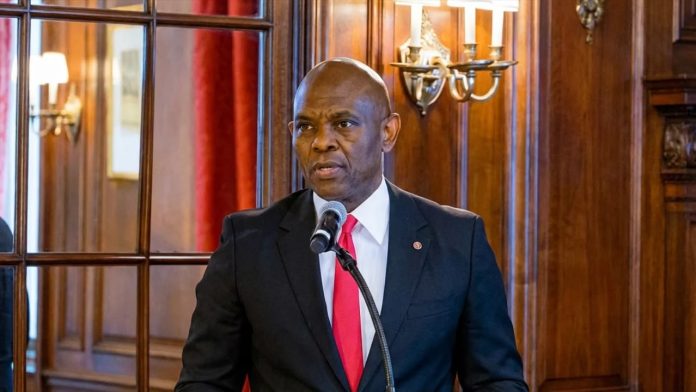
Speaking at the graduation ceremony, UBA Group Chairman, Tony Elumelu, said customer service would remain a major differentiator in the banking industry despite the growing influence of technology.
Elumelu urged the new graduates to combine technological knowledge with quality service, hard work, discipline and excellence as they begin their professional careers.
He expressed confidence in the young professionals, describing them as part of the generation that would eventually take on leadership responsibilities within the bank.
Also speaking, UBA Group Managing Director and Chief Executive Officer, Oliver Alawuba, encouraged the graduates to approach every assignment with commitment, regardless of whether it matched their preferred career path.
Alawuba urged them to continue learning, maintain integrity and turn their potential into measurable results as they take on new responsibilities across the bank.
The GMAP is part of UBA’s broader investment in human capital development and youth empowerment, with the bank positioning the programme as a platform for producing professionals capable of contributing to Africa’s economic growth.