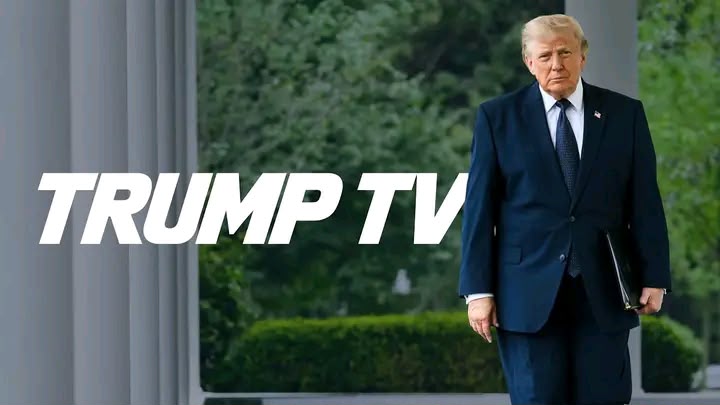
The White House has launched a round-the-clock video channel called “Trump TV: The Essentials Station” on Monday evening, streaming administration content directly to the public.
The first video streamed on the new channel was a two-month-old speech by Trump at Mount Rushmore, and Kaelan Dorr, a deputy assistant to the President and head of digital strategy at the White House.
Dorr described the channel as showing “the Administration’s greatest hits, unfiltered,” adding that the press had in some cases reported inaccurately or not at all on the administration’s accomplishments.
The launch came just days after Trump banned CNN, MS NOW, and Politico from the White House, with reports indicating these three outlets have sued the administration on free speech grounds.
In apparent solidarity, ABC, CBS, CNN, Fox News, and NBC subsequently suspended television pool coverage of presidential events, with the networks jointly stating that no administration should restrict a news organization because it objects to its reporting.
The fallout was visible on Monday when Trump held a ribbon-cutting ceremony for a new helipad on the White House South Lawn, and with the television pool suspended, the administration relied on its own video feed.
Trump’s remarks were difficult to hear over the noise of Marine One’s engines, though the White House livestream still captured the event.
The dispute has drawn sharp criticism from press advocates and Democratic officials alike. CBS News senior White House correspondent Weijia Jiang, former president of the White House Correspondents’ Association, warned that “America cannot have state TV,” arguing that independent observers are essential to what makes America what it is.
California Governor Gavin Newsom went further, calling the new channel “quite literally state-run TV” meant to drown out criticism of a “failing” administration and describing it as “truly autocratic behavior.”
For its part, the administration has defended the access restrictions, with Trump dismissing suggestions of a media boycott, telling reporters “they said they were going to boycott me, but they never boycott me”, while the White House maintains the First Amendment protects media outlets’ right to publish but doesn’t guarantee them credentials or a seat in the briefing room.