The International Committee of the Red Cross (ICRC) has said about 17,000 missing persons cases remain active in Nigeria, with many families still searching for relatives separated from them by armed conflict and violence.
The ICRC disclosed that the figure represents cases currently under active tracing by the Red Cross and Red Crescent Movement as of July 2026.
The organisation had previously worked on nearly 24,000 missing-persons cases in Nigeria. However, a comprehensive review of its caseload found that contact had been lost with some families who initially requested assistance, bringing the number of cases currently under active tracing to about 17,000.
The majority of the cases are linked to conflict and violence in Nigeria’s North-East, where the Boko Haram insurgency and related insecurity have separated families and displaced communities for more than a decade.
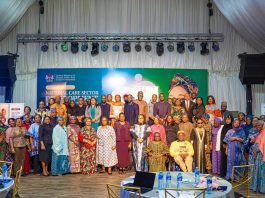
Speaking during a two-day media roundtable on humanitarian reporting in Lagos, ICRC Public Relations Officer, Aliyu Dawobe, said many families had remained separated from their loved ones for years.
He said some people had been out of contact with their relatives for more than 10 years, while continued displacement in the region has made tracing efforts more difficult.
The ICRC said its tracing work involves telephone calls, door-to-door searches, engagement with community leaders, field visits and collaboration with humanitarian organisations that may have information about missing persons.
However, security challenges and population movements continue to complicate the process. Some families have relocated, changed their telephone numbers or moved to areas that are difficult for humanitarian workers to access.
The organisation stressed that the 17,000 figure should not be interpreted as the total number of missing people in Nigeria. It represents only cases currently under active tracing by the Red Cross and Red Crescent Movement.
According to the ICRC, families who are no longer in contact with the organisation cannot be actively supported in the same way, even though they may continue to experience the uncertainty associated with having a missing relative.
The situation has remained particularly difficult in the North-East, where years of armed conflict have resulted in deaths, abductions, displacement and family separation.
The ICRC has described the search for missing persons as a long and complex humanitarian process, noting that it can take years before information about a missing person’s whereabouts becomes available.
The organisation, working with the Nigerian Red Cross Society, continues to support families through its Restoring Family Links programme, which seeks to reconnect separated relatives and clarify the fate and whereabouts of missing people.
The ICRC said it remains committed to tracing missing persons and supporting families while encouraging those who have previously requested assistance to maintain contact and provide updated information that could help advance their cases.
The development comes as humanitarian concerns persist across parts of the North-East, despite reports of some displaced communities gradually returning to their ancestral homes.
The Theatre Commander of Operation Hadin Kai, Maj.-Gen. Abdulsalam Abubakar, said recently that more than 7,000 internally displaced persons and refugees had returned to communities in Borno State over the past year.
Despite such returns, the continuing number of active missing-persons cases highlights the long-term humanitarian consequences of the conflict, particularly for families still waiting for information about relatives whose fate remains unknown.