
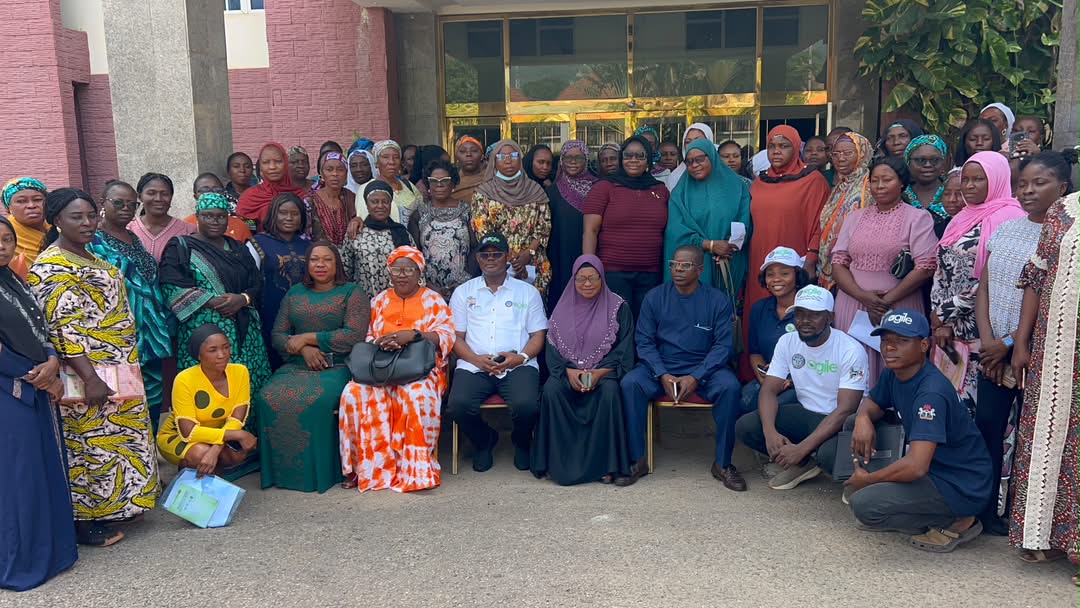
Kogi State Ministry of Education, in collaboration with the Adolescent Girls Initiative for Learning and Empowerment (AGILE), has commenced training of health workers across the state to improve healthcare services for adolescents girls.
The three-day training which began on Wednesday in Lokoja is to equip health workers with the skills to address adolescents’ health needs and provide care without discrimination.
Speaking at the event, State Project Coordinator of AGILE, Tijjani Oricha said the training was organised under the project’s Life Skills component, which provides adolescent girls with life skills and health education as they transition from childhood to adulthood.
He disclosed the component also covers sexual health education and warning signs of gender-based violence to help girls make informed decisions and navigate challenges.
Oricha further said healthcare facilities have been mapped near participating secondary schools to make access to medical care easier for adolescent girls.
He also noted that the project had completed the renovation of 150 schools and received approval to renovate another 100 schools, adding that there are 28 mega-school structures facilitated across the 21 local government areas in the state under the project.
The Reproductive Health Care Coordinator of the Kogi State Ministry of Health, Dr. Afolabi Grace, said the training was aimed at strengthening the capacity of health workers to provide adolescent and youth-friendly services.
Grace said the training complements the safe-space initiative in participating secondary schools, where girls meet counsellors and school mentors to discuss health concerns, personal development and other challenges.
She stressed that healthcare services should be accessible, affordable and free from discrimination, adding that health workers should communicate with adolescents in language they could easily understand.
Also speaking, the lead facilitator, Abraham Sunday, said adolescent girls require specialised attention because they might feel uncomfortable seeking medical care or discussing sensitive issues with health workers.
He identified confidentiality, respect and effective communication as essential to building trust and encouraging adolescents to seek healthcare when necessary.
One of the participants, Yusuf Faith, from Ofu Local Government Area, said the training had taught her to communicate respectfully with adolescents and encourage adolescent girls to speak openly about their concerns.
Another participant, Mercy Oritogu, from Ogori-Magongo, said the training had improved her understanding of how to approach adolescents in a friendly manner, earn their trust and guide them towards making informed decisions.