

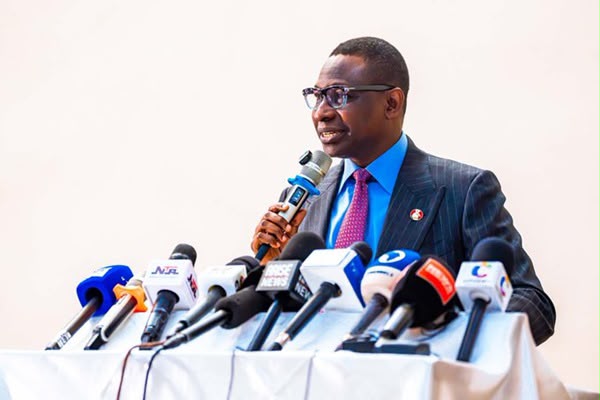
The Chairman of the Economic and Financial Crimes Commission (EFCC), Ola Olukoyede, has urged religious leaders across Nigeria to regularly preach against corruption and financial crimes.
Olukoyede made the call on Wednesday, September 23, 2026, in Abuja during the 2026 second Council Meeting of the Nigeria Inter-Religious Council (NIREC) and the launch of the Anti-Corruption Interfaith Manual for religious leaders.
Speaking on the theme, “Shared Sacred Flourishing in Nigeria,” the EFCC chairman said corruption affects the wellbeing and development of the country.
He urged religious leaders to promote honesty and responsible living among their followers, noting that corruption allows individuals to benefit at the expense of the wider society.
According to him, Christianity and Islam can maintain their different beliefs and traditions while working together to promote peace, justice, human dignity and national development.
Olukoyede said the EFCC had been working with religious leaders over the years to encourage them to include anti-corruption messages in their teachings.
He disclosed that the Commission, in partnership with Christian and Muslim leaders, had developed an Inter-Faith Manual containing teachings from both religions on corruption.
“We are using this opportunity to launch the Manual which we hope our religious leaders will surely find useful in preaching anti-corruption messages to their members,” he said.
The EFCC chairman stressed that corruption and financial crimes affect Nigerians regardless of their religion or ethnic background.
He explained that when public funds are stolen, both Christians and Muslims suffer from poor public services, unemployment, bad roads and other challenges.
Olukoyede urged pastors and imams to make use of the manual and educate their followers on the consequences of corruption.
He also called on religious institutions to play a stronger role in shaping the values of Nigerians, saying religious teachings could help prevent corrupt practices before they occur.
He said while the EFCC could investigate and prosecute financial crimes, religious institutions could help build the character and values needed to discourage corruption in society.